finance
Abu Dhabi's Retail Boom Reshapes Shopping: What Shoppers Must Know
Major store openings and format shifts are reshaping where residents spend money, with implications for everything from commute times to product prices.
How we reported this
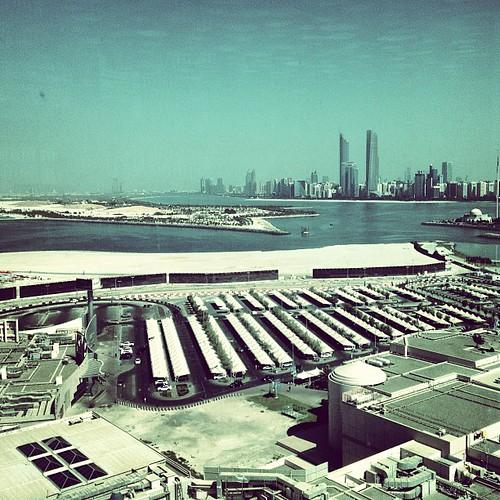
Abu Dhabi's retail landscape is shifting faster than most residents realize. Over the past eighteen months, the emirate has seen a wave of new store formats, brand relocations, and neighborhood shopping hubs that are forcing everyday shoppers to recalibrate where they buy groceries, clothes, and household goods. The changes are not simply about new buildings opening-they reflect a fundamental reconfiguration of how and where the city's 1.5 million residents will spend their money.
The shift matters now because consumer habits built over a decade are breaking down. Malls that once dominated shopping trips are facing genuine competition from neighborhood retail clusters and online-native brands establishing physical presences. Store closures are happening too, though retailers rarely announce them loudly. For residents, this means understanding the new geography of retail could save time, money, and frustration.
Where the Action Is Happening
Three neighborhoods have emerged as flashpoints for this retail transformation. Saadiyat Island continues its evolution beyond culture and tourism, with the recently expanded Saadiyat Beach Club precinct now hosting three new fashion and lifestyle retailers that previously operated only in The Abu Dhabi Mall on Sheikh Zayed the First Street. Those stores closed their mall locations between April and June this year, signaling a deliberate shift toward island-based retail that captures both residents and visitors in one location.
Al Reem Island presents a different model. The Finance District's retail environment has attracted four grocers and specialty food shops within walking distance of office towers-a direct response to the 40,000-plus workers commuting there daily. These stores operate on different margins and inventory systems than traditional supermarkets, pricing fresh produce slightly higher but remaining open until 11 p.m., which matters for evening shoppers. Lulu Hypermarket maintains its flagship location here, but independent operators have captured a meaningful share of the daily convenience market.
Manara and Khalifa City have quietly become the third wave. Lower rents in these neighborhoods have attracted mid-range fashion chains and household goods retailers that once clustered only in Madinat Zayed or The Galleria on Al Maryah Island. One established clothing retailer with twelve locations citywide opened a second flagship format in Khalifa City this April, testing a showroom-style model with lower inventory density and appointment-based personal shopping.
The Numbers Tell a Story
Retail vacancy rates across Abu Dhabi's major shopping districts dropped to 4.2 percent in the second quarter of 2026, according to commercial real estate trackers monitoring the market. That's tight, but it masks deeper movement. While total vacancy is low, the mix of tenants is shifting dramatically. Anchor tenants-the department stores and hypermarkets that traditionally drove foot traffic-occupy less total square footage than they did three years ago. The space they've vacated is being carved into smaller units for brands, cafes, and specialty retailers.
Price dynamics are changing too. Shoppers comparing identical grocery items across outlets will notice a 3-8 percent premium in mall-based supermarkets versus standalone stores in neighborhood locations, a gap that has widened noticeably since early 2025. This reflects higher mall rental costs passed directly to consumers. Online grocery services have compressed margins further, forcing some traditional retailers to adjust pricing.
For residents planning major purchases or weekly shopping, the practical advice is straightforward. Map your regular purchases across three locations rather than relying on one central destination. Test neighborhood retail clusters near your home or workplace-you may save both time and money. Watch for store closures in your usual mall; many retailers are consolidating, which means your familiar shops may relocate. Download the apps of grocers you use regularly, since promotions and inventory now vary significantly between locations. Finally, recognize that this transition creates genuine winners among independent and mid-sized retailers finally getting shelf space they couldn't afford two years ago.
Abu Dhabi's retail shift is not complete. Developers continue planning new neighborhood retail centers for 2027 and 2028. But the era of monoculture shopping-when a single mall destination served most residents' needs-has already ended.
This article is general information only and is not personal financial or investment advice. Consider your own circumstances and seek licensed professional advice before making financial decisions.