culture
Emerging Emirati Chefs Master Traditional Food Through New Cuisine Programme
The Emirati Cuisine Programme is preparing new chefs to carry forward classic dishes and hospitality customs.
How we reported this
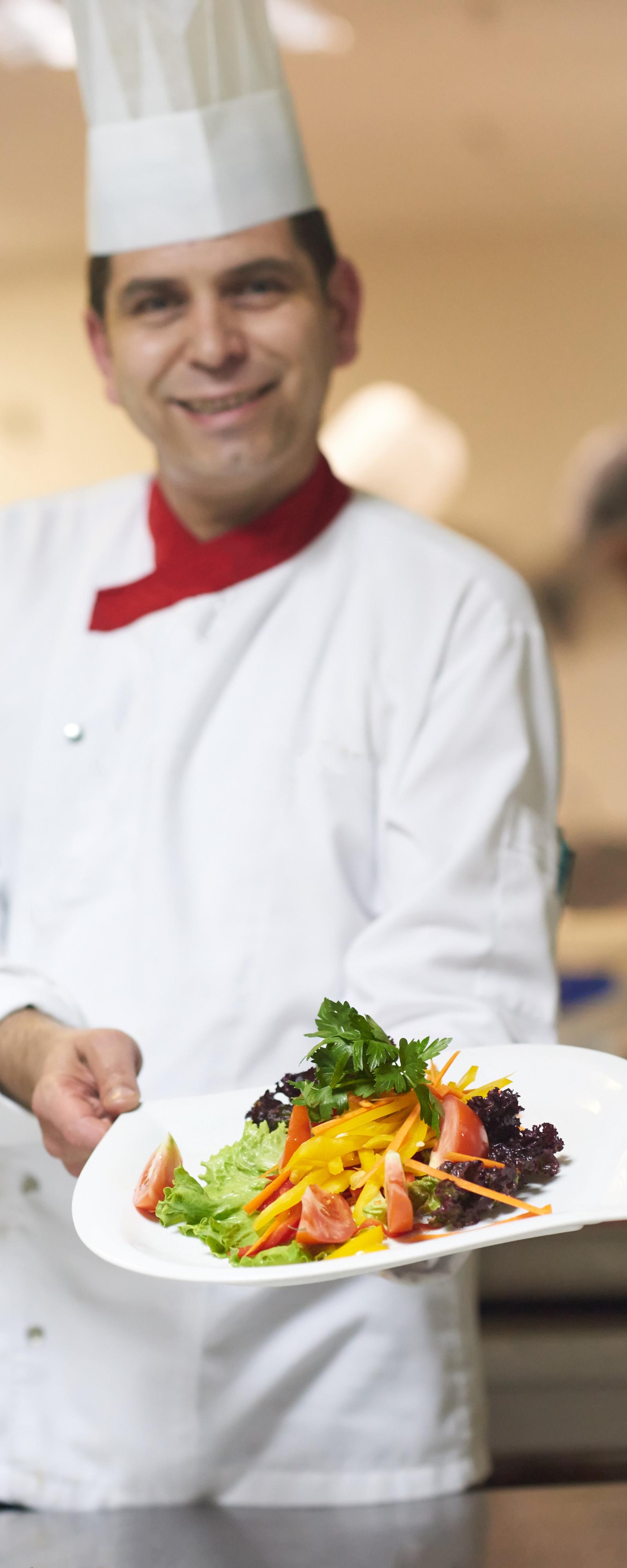
Abu Dhabi's food culture centers on Emirati classics like Khuzi roasted lamb over spiced rice, Machboos spiced rice with meat or fish, Harees wheat and meat porridge, and Luqaimat sweet date-syrup dumplings. These dishes form the foundation that the Emirati Cuisine Programme now uses to train hotel chefs in preparing iconic national recipes.
Coastal Trading Influences Shape Core Flavours
The cuisine reflects a coastal trading history fusing Bedouin, Persian, Indian, and Levantine influences. Slow-cooked meats, fragrant rice, preserved seafood, and abundant use of saffron, cardamom, cinnamon, and turmeric define the style. Chefs emerging from the training programme learn these exact flavour combinations to keep the traditions intact while working in modern kitchens.
Hospitality Customs Anchor Communal Meals
Dates served with Gahwah cardamom-spiced Arabic coffee remain the primary symbol of Emirati hospitality, traditionally offered to welcome guests. Communal eating from shared dishes expresses friendship, and the custom of eating using the right hand only continues as the left is considered unclean. Programme participants study these practices alongside recipe techniques so they can present them consistently to diners.
A recent boom in authentic Emirati food has elevated local culinary traditions through the Emirati Cuisine Programme. The initiative focuses on passing precise methods for the listed classics to the next group of chefs rather than introducing new variations. This approach keeps the emphasis on verified dishes and customs already central to Abu Dhabi tables.
Practical guidance for experiencing these elements begins with visiting venues that feature the trained chefs preparing Khuzi, Machboos, Harees, and Luqaimat alongside the serving of dates and Gahwah. Observing the right-hand custom during shared meals provides direct insight into the hospitality traditions supported by the programme.