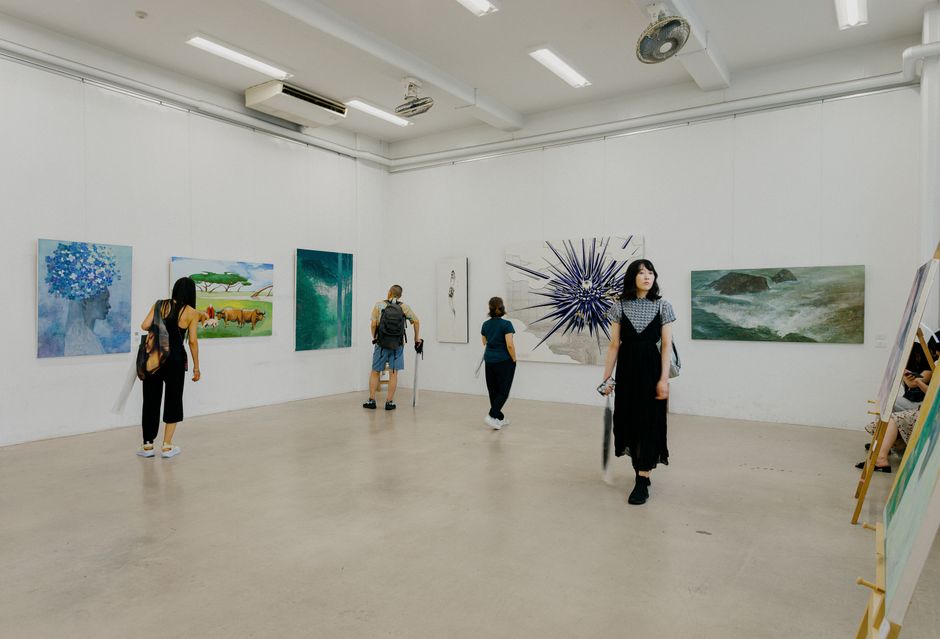
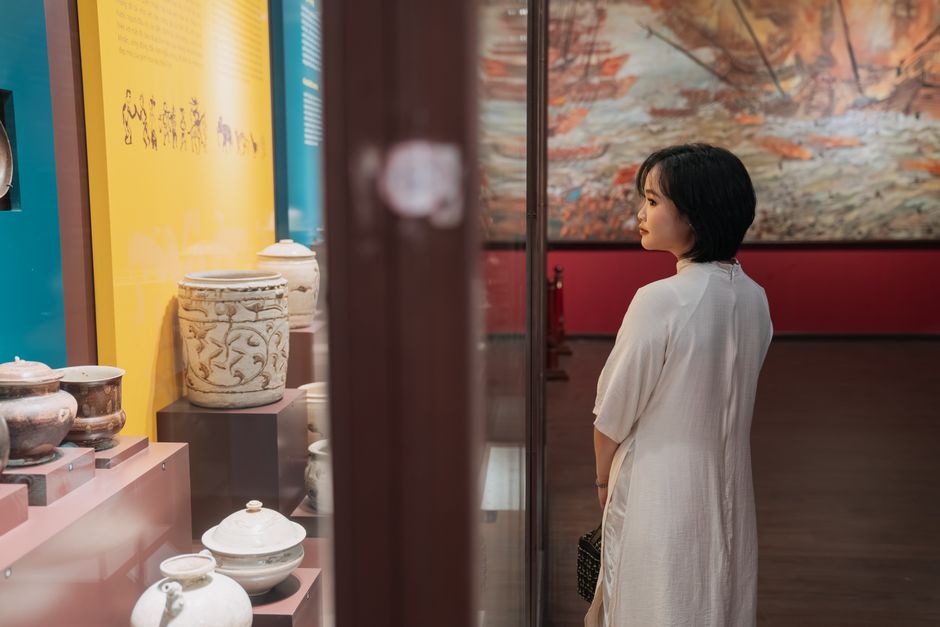
Sydney's cultural calendar didn't pause when the thermometer hit 32.8 degrees this past month—the highest June temperature since records began in 1859. But venues across the city are quietly asking harder questions about what comes next. The Gallery of Modern Art on The Domain stayed open. The Sydney Theatre Company ran shows at the Roslyn Packer Theatre in Walsh Bay. The Art Gallery of NSW kept its doors unlocked to the public. Yet behind the scenes, curators, directors and programmers are grappling with logistics that would have seemed like science fiction five years ago.
The heat spike matters now because it's not a freak event—it's the new normal arriving faster than anyone planned. Climate scientists have described this as the signature of what's coming. For cultural institutions that operate with finite budgets, aging building systems, and commitments to artists and audiences, that signature is forcing hard conversations about survival. How do you stage a live performance when air conditioning costs have doubled? How do you preserve temperature-sensitive artworks when cooling systems strain under demand? How do you keep audiences turning up when stepping outside feels dangerous?
The venues holding the line
Walk down Macquarie Street and you'll find some of the country's most important cultural real estate. The Art Gallery of NSW, which opened in 1885, now manages collections that demand constant climate control. The Australian Museum next door—built on the same sandstone strip—houses specimens that are literally irreplaceable. Both institutions upgraded their HVAC systems in 2019 and 2021 respectively, spending millions. Neither upgrade accounted for a reality where June would routinely hit 33 degrees.
Over at Barangaroo Reserve, the newest cultural precinct on Sydney's working waterfront, the Museum of Contemporary Art faces different pressures. The MCA's building, completed in 2011, was designed with energy efficiency in mind. But a spokesperson acknowledged this week that June's heat tested systems designed for historical averages, not emerging extremes. The venue hosted 287,000 visitors last year. Each one generates body heat. Each exhibition requires precise climate maintenance.
The Sydney Theatre Company operates across three venues—the Roslyn Packer Theatre, the Utzon Room at the Opera House, and the Wharf Studios at Walsh Bay. During June, the company ran 156 performances. Technical staff managed cooling loads that reflected not just the outside temperature but the heat generated by stage lights, packed audiences, and equipment. One crew member told colleagues informally that fans were running at maximum capacity for sustained periods—something that typically happens only during extreme summer emergencies.
What the data reveals about durability
The Bureau of Meteorology's June 2026 data shows Sydney didn't just break a record—it demolished it. The previous June high, set in 1953, was 29.5 degrees. This month pushed past 32.8. That's a 3.3-degree swing across 73 years. For comparison, typical outdoor air-conditioning systems are engineered with about a 2-degree safety margin above regional historical maximums.
Cultural venues employ roughly 4,200 people across Sydney's major institutions, according to the most recent Arts Council Australia employment survey from 2024. Many work in facilities management, conservation, and technical roles. That workforce is already dealing with wage pressures—hospitality and technical staff in the sector earn between $58,000 and $72,000 annually, according to industry surveys, while facing rising living costs as rents climb across the inner west and eastern suburbs.
The question facing directors now isn't whether to adapt. It's whether to adapt fast enough. The Art Gallery of NSW is exploring expanded rooftop cooling capacity. The MCA is investing in passive ventilation redesigns. The Australian Museum is investigating whether its storage facilities in Ultimo can handle June-style temperatures without active cooling during off-hours.
For audiences, the practical reality is simpler: book tickets well in advance for evening performances, arrive early to let your body acclimate to venue temperatures, and expect premium venues to stay comfortable while outer suburbs' independent galleries and smaller creative spaces might not. The old cultural ecosystem of Sydney—where anyone could walk into a venue and catch something spontaneous—is becoming something more carefully engineered, more dependent on infrastructure, and more expensive to maintain. That's not necessarily a collapse. But it's a reckoning. And it's here now.