culture
The History and Evolution of Melbourne's Cultural Scene
From laneway murals to major festivals, how Melbourne’s arts landscape has transformed over decades
3 min read
culture
From laneway murals to major festivals, how Melbourne’s arts landscape has transformed over decades
3 min read
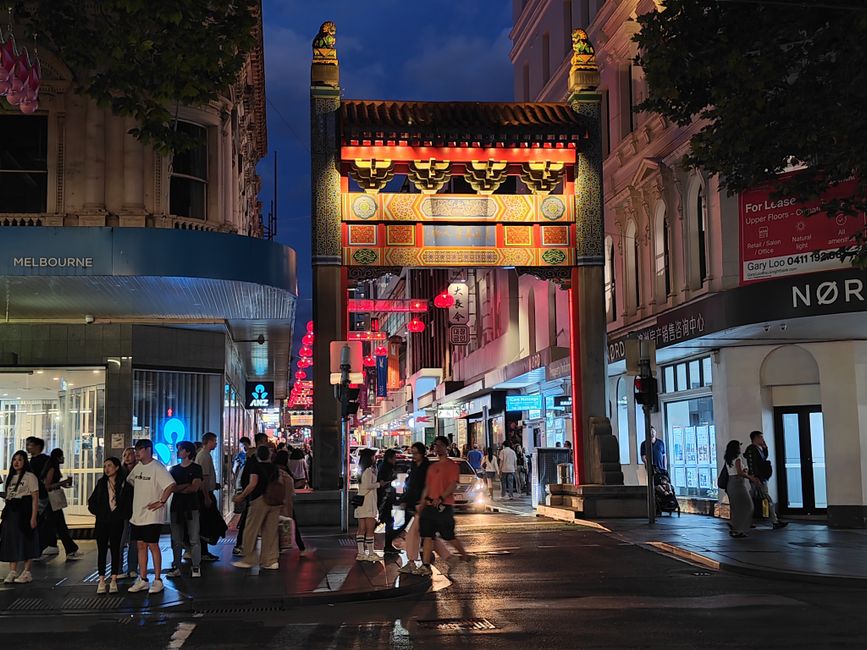
Melbourne’s cultural scene has undergone a remarkable transformation since the 1970s, growing from a city known primarily for its traditional institutions into a vibrant hub of innovation and diversity that shapes Australia’s creative identity today.
This evolution matters now as the city prepares to host the 2026 Melbourne International Arts Festival, which will showcase more than 150 artists across venues in the Central Business District and Fitzroy, a neighborhood long synonymous with artistic experimentation. The event taps into Melbourne’s deep-rooted cultural heritage while spotlighting emerging voices, underscoring the city's position as a national arts capital amid increasing global attention.
Melbourne’s transformation began in the alleys off Hosier Lane, where graffiti and street art first emerged in the early 1980s as a form of urban expression. While initially illegal and controversial, these murals captured the city’s youthful energy and gradually became tourist attractions in their own right. Today, Hosier Lane is a curated open-air gallery, and nearby to the west, the Melbourne Museum of Contemporary Art nurtures local talent through exhibitions and residencies.
Another key player in cultivating the local scene is the Collingwood Arts Precinct, which opened in 2020 on Johnston Street. it provides affordable studio spaces for over 60 artists and craftspeople, helping maintain Melbourne’s reputation as a place where creative innovation and community engagement go hand in hand. Local organizations such as the Melbourne Fringe Festival have supported grassroots work since 1986, allowing experimental theatre, music, and visual art to flourish beyond mainstream offerings.
Investment in Melbourne’s cultural sector has risen steadily over the past decade. According to the Victorian Government Creative Industries Report 2025, the metropolitan arts sector contributed AUS$5.2 billion to the regional economy in 2024, up 8% from the previous year. Arts-related employment also increased, supporting over 32,000 full-time equivalent jobs, a significant share of which are concentrated in inner-city suburbs.
Ticket prices for major events like the Melbourne International Arts Festival average around $75, providing access while also generating revenue to sustain smaller venues and independent artists. Public and private funding combined have earmarked $120 million for cultural infrastructure projects through 2030, focusing on heritage preservation and expanding community arts initiatives.
Longstanding venues such as Her Majesty’s Theatre on Exhibition Street continue to draw packed audiences, while newer establishments like The SUBSTATION in Newport have revitalized industrial spaces to provide alternative performance platforms.
As Melbourne’s cultural landscape continues to expand, residents and visitors are encouraged to explore both iconic and emerging sites throughout the city. Attending local festivals, supporting independent galleries, and engaging with community art projects can help sustain the momentum that has defined this city’s artistic evolution for more than four decades.
About this article
Published by The Daily Abu Dhabi
Spread the word
Daily brief
Free, in your inbox before 7am. Weekdays.
The Daily Network — local news across Australia