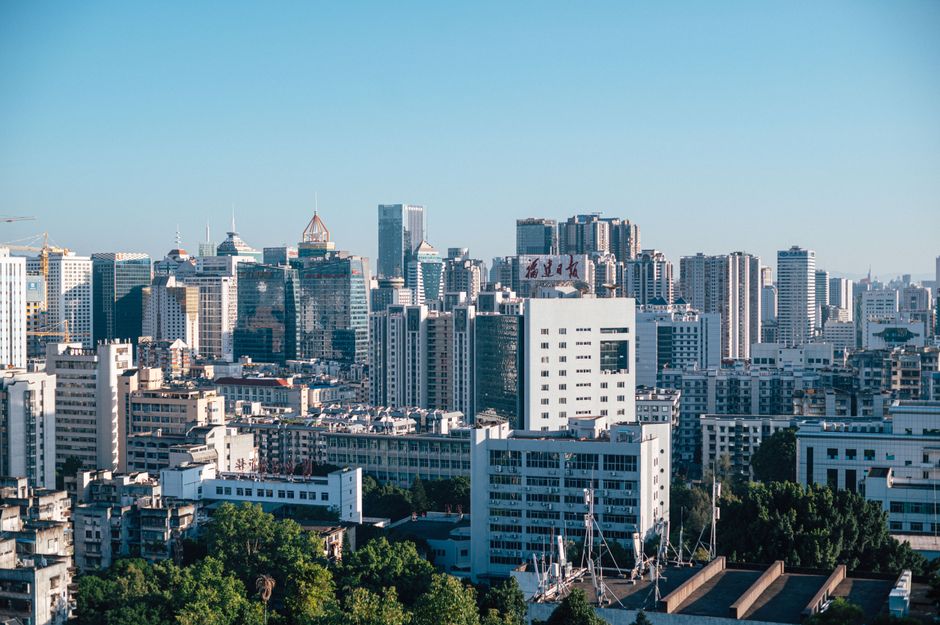
Abu Dhabi moved on several fronts this week that will directly touch the lives of the emirate's roughly 1.5 million residents, with municipal decisions on heat preparedness, public transport expansion, and community spending converging at the start of what forecasters are calling the most intense July since 2019. The timing is not incidental — Europe's heatwave has killed more than 2,000 people in France alone this season, and Abu Dhabi's Department of Municipalities and Transport is under pressure to demonstrate that the emirate's own extreme-heat protocols are more than paperwork.
Average afternoon temperatures on the Corniche this week touched 44 degrees Celsius, with humidity pushing the feels-like reading above 52 degrees on Wednesday. That kind of sustained heat makes outdoor labour dangerous and strains the grid — the Abu Dhabi Distribution Company reported peak demand approaching 8,200 megawatts on Wednesday evening, close to the record set in August 2023. For families in older apartment blocks in areas like Mussafah and Mohammed Bin Zayed City, where insulation standards predate the 2018 building code revisions, that grid pressure translates directly into load-shedding risk.
What the Municipality Is Actually Doing — and Where
The Department of Municipalities and Transport confirmed this week that its Cool Zones initiative, which designates air-conditioned public rest areas for outdoor workers, has been expanded to 47 sites across the emirate, up from 31 last summer. New locations include a purpose-built facility at the Mina Zayed port complex and additional stations along the ongoing Khalifa Port access road construction corridor, where several thousand labourers are currently working. The programme runs under Federal Ministerial Resolution No. 44 of 2022, which legally mandates midday outdoor work bans from 12:30 p.m. to 3:00 p.m. between June 15 and September 15.
On Al Reem Island, the Abu Dhabi City Municipality is trialling a neighbourhood-level heat mapping project in partnership with Masdar City's urban climate research unit. Sensors installed at 12 points across the island's Najmat Abu Dhabi sub-district are feeding real-time data to a dashboard that will, according to municipal documents reviewed by The Daily Abu Dhabi, eventually inform decisions on tree planting, pavement material and building orientation for future developments. Residents there and on Saadiyat Island have been asking for years why pedestrian infrastructure feels like an afterthought — shaded walkways remain sparse along Beach Road and Al Gurm Resort Road despite both carrying significant foot traffic.
Transport Changes and What Comes Next for Commuters
The Abu Dhabi Integrated Transport Centre announced a 12 percent frequency increase on six bus routes serving workers between Mussafah's industrial zone and central Abu Dhabi, effective July 14. Routes 170, 180 and 182 — which together carry an estimated 18,000 passenger journeys per weekday — will run every 15 minutes during the 5:30 a.m. to 8:00 a.m. and 5:00 p.m. to 8:30 p.m. peaks. The change costs the Authority an additional Dh 2.4 million per month in operating expenses and comes after repeated complaints logged through the Tamm digital services platform.
The broader context here matters. Abu Dhabi's population growth — the Statistics Centre – Abu Dhabi put the emirate's population at 1.49 million in its most recent count — is outpacing the pace of transport infrastructure delivery. The Abu Dhabi Metro's first line, connecting Khalifa City to the central business district, remains projected for a 2030 opening. Until then, buses and taxis absorb the load, and any improvement to their reliability has an outsized community impact, particularly for the lower-income workers who have no alternative.
Residents who rely on the affected routes should check the ITC's Darb app for updated schedules, which are expected to go live by July 10. Those dealing with heat-related symptoms can contact the Abu Dhabi Public Health Centre's 24-hour hotline at 800-ADPHC. And anyone living in older residential buildings in Mussafah's M-zones who suspects inadequate insulation can log a formal inspection request through the Tamm portal — a process that, under current municipality guidelines, should receive a response within seven business days.
This article was compiled by AI and screened before publishing. See our editorial standards.