news
Abu Dhabi Leaders Highlight Economic Strengths Despite Global Uncertainties
Local leaders and analysts assess Abu Dhabi’s growth prospects, focusing on diversification efforts and market resilience.
How we reported this
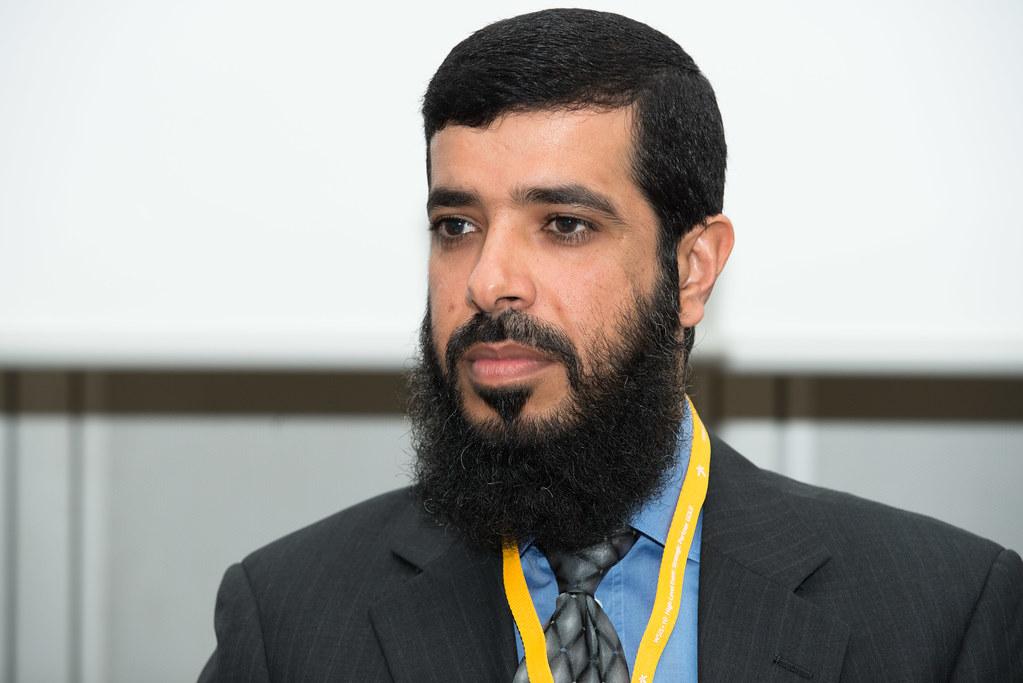
Abu Dhabi’s economy is expected to sustain steady growth in the second half of 2026, according to recent statements from government officials and economic experts. Key figures emphasized the ongoing success of diversification strategies and infrastructure projects as pillars supporting the emirate’s stability amid global economic fluctuations.
With inflation pressures easing slightly across the Gulf and energy prices stabilizing, the importance of Abu Dhabi’s expanding non-oil sectors has become increasingly apparent. The economy’s resilience is crucial as global markets face uncertainties including shifts in supply chains and geopolitical tensions in the region.
Diversification Fuels Confidence in Local Economy
At the heart of Abu Dhabi’s growth confidence is the emirate’s robust diversification agenda, championed by the Abu Dhabi Department of Economic Development (ADDED). Officials highlighted initiatives within two major hubs: the Abu Dhabi Global Market (ADGM) financial free zone and the Masdar City sustainable technology district.
ADGM has attracted 45 new firms specializing in fintech and green energy projects since January, signaling increased investor appetite for emerging sectors. Meanwhile, Masdar City’s ongoing developments, including the upcoming Phase IV expansion planned for completion in 2027, are set to boost innovation-driven employment and attract further foreign direct investment (FDI).
Additionally, the Abu Dhabi Investment Office (ADIO) reported facilitating the establishment of over 120 new startups across tech, healthcare, and renewable energy sectors in the first quarter of 2026. These efforts complement traditional sources of wealth from hydrocarbons while preparing the local economy for longer-term sustainability.
Data Reflects Positive Momentum Despite Regional Challenges
Recent data released by the Statistics Centre, Abu Dhabi (SCAD) shows that the emirate’s GDP grew by 3.7% year-on-year during the first quarter, outperforming the broader UAE average of 3.1%. Inflation stood at 2.9% as of June, a reduction from a high of 4.4% in late 2025, easing cost-of-living pressures for residents.
Real estate prices along Al Reem Island and Al Maryah Island have shown modest increases, with average apartment sales rising by 5% year-to-date, reflecting sustained investor confidence in urban development. Meanwhile, the recently launched one trillion dirham economic stimulus package, announced in May 2026, targets infrastructure, technology startups, and green initiatives, underpinning projections for diversified growth.
Labor market indicators also point to strengthening recovery, with employment in the private sector increasing by 2.5% between April and June, driven largely by SMEs in the technology and renewable energy industries. The average cost of living remains competitive, with monthly household expenditures reportedly stabilizing near 9,800 dirhams according to SCAD.
Experts from leading local think tanks, such as the Emirates Policy Center, suggest that maintaining this growth trajectory will depend on navigating external risks including potential supply chain disruptions from conflicts in the wider region and increased global interest rate volatility.
Looking ahead, stakeholders advise businesses and residents to monitor policy developments closely, particularly relating to visa reforms and smart city projects like Abu Dhabi’s 2030 vision strategy for urban and economic development. Officials recommend engagement with government-backed programs such as ADIO’s incentives for innovation and SMEs to capitalise on new opportunities emerging within the emirate’s evolving economic landscape.
In summary, the consensus among Abu Dhabi’s economic officials and experts is cautiously optimistic. The strategic blend of traditional resource wealth with ambitious diversification schemes continues to position Abu Dhabi as a resilient and growing economy in the Gulf context for 2026 and beyond.