news
Abu Dhabi's Economic Resilience Amid Global Uncertainties
As international tensions and natural disasters affect global markets, Abu Dhabi navigates its local economy with measured stability and strategic focus.
How we reported this
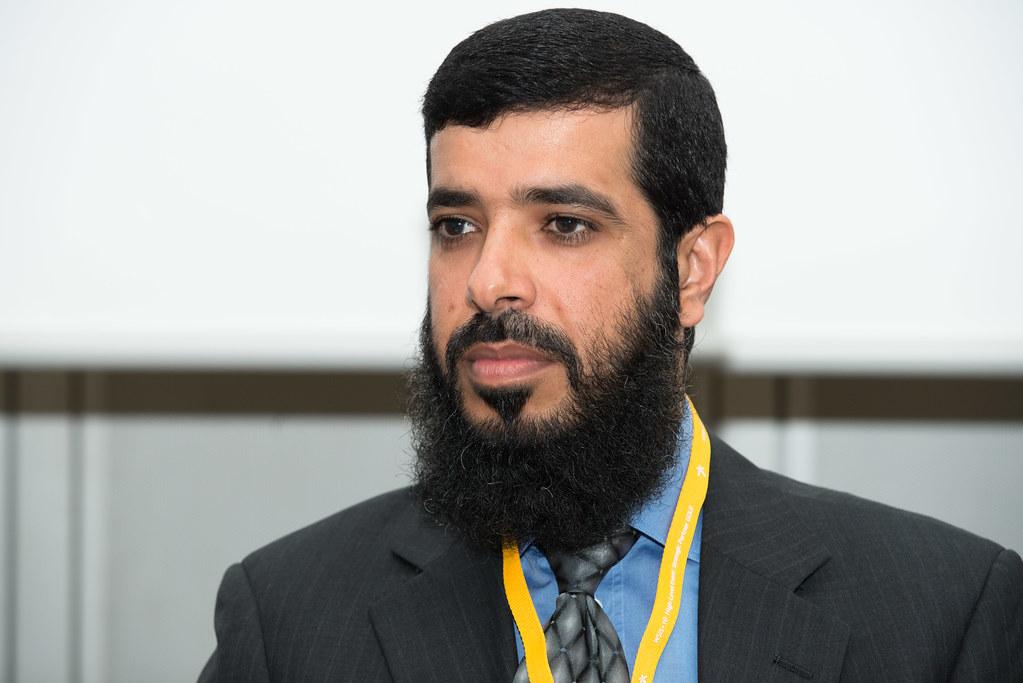
Abu Dhabi maintains a steady economic course despite global shocks that have disrupted markets worldwide. While major economies grapple with challenges like typhoons in Asia and conflict-induced trade hazards, the city’s diversified economy and development programs help it avoid sharp downturns seen elsewhere.
Why Stability Matters Now
The global economy faces unprecedented stress this summer. The United States has initiated fresh military strikes in the Gulf region after Iran’s closure of the Strait of Hormuz, an event that traditionally impacts oil prices and supply chains. At the same time, powerful typhoons have forced mass evacuations in China, delaying shipments and affecting trade flows across Asia. These shocks ripple through global markets, influencing commodity prices, investor confidence, and economic growth forecasts.
In this context, Abu Dhabi’s economic management gains importance as a regional hub reliant on energy exports, trade security, and foreign investment. As supply routes fluctuate and geopolitical risks rise, the city’s ability to sustain growth serves as a barometer for resilience within the Gulf Cooperation Council states.
Abu Dhabi’s Local Approach to Economic Challenges
Unlike some global cities facing direct disruptions from natural disasters or military conflicts, Abu Dhabi benefits from proactive measures within its urban and economic planning. Government-linked entities and private sectors have increased efforts to enhance infrastructure robustness, support diversified industries, and promote sustainable development projects.
Areas like Masdar City continue to advance renewable energy technology and attract international research partnerships, dovetailing with the emirate’s broader goal to reduce oil dependency. Meanwhile, initiatives supporting the financial sector and tourism enhance economic buffers beyond hydrocarbons. While exact figures for local economic output amid these global shocks are not yet public, such strategies position the city better than counterparts more directly affected by recent events.
Looking Ahead: Navigating a Complex Global Environment
As global tension and natural disasters pressure economic systems, Abu Dhabi must maintain vigilance and adaptability. Continued investment in infrastructure, support for innovation, and regional cooperation will be key to mitigating spillover effects from external shocks. Businesses and residents alike should anticipate modest uncertainty but can rely on ongoing municipal and national efforts to safeguard economic stability.
For investors and entrepreneurs, understanding the balance Abu Dhabi strikes between traditional energy sectors and emerging industries offers practical insights into navigating opportunities here. While global conditions evolve rapidly, the city’s measured approach suggests it will avoid abrupt disturbances and remain a stable node in an otherwise volatile global economy.