news
Data and Numbers Behind Recent Global Events With Repercussions for Abu Dhabi
A statistical look at major international developments shaping the context for Abu Dhabi’s community and policy environment.
How we reported this
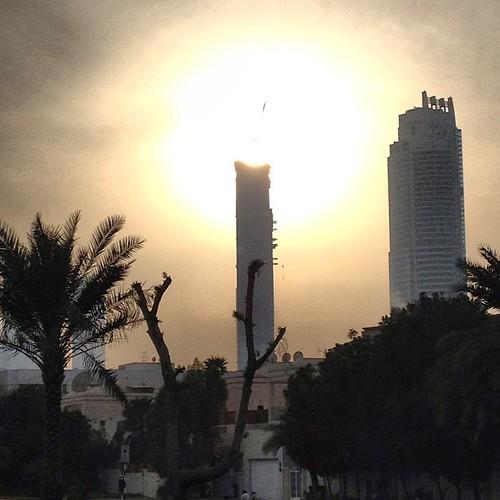
Two significant incidents in the last 48 hours underscore volatile geopolitical and humanitarian patterns with potential indirect impacts on Abu Dhabi's security, trade, and global relations. The U.S. and Iran exchanged a new round of military strikes near the Strait of Hormuz, a critical maritime chokepoint for the Gulf region’s oil export routes, while a tragic fire in a Bangkok bar claimed at least 27 lives. Both incidents highlight the vital importance of regional stability and emergency preparedness, topics at the forefront for local policymakers and residents alike.
Why These Events Matter Now to Abu Dhabi
The recent escalation along the Strait of Hormuz aggravates ongoing tensions that have persisted since the U.S.-Iran conflict reignited with the breakdown of previous diplomatic agreements. The Strait, just a few hundred kilometres from Abu Dhabi, is pivotal for international energy supplies. Any disruption here threatens fuel price fluctuations and security concerns in the UAE.
Meanwhile, the high death toll in Bangkok’s bar fire brings renewed attention to urban crowd safety and emergency response systems, issues pertinent to Abu Dhabi’s growing nightlife and public venues. City authorities are reviewing safety protocols in public gathering spaces, prompted by such global tragedies.
Local Linkages and Broader Statistics
While direct local data on maritime security incidents or domestic fire hazards were not available for this report, the proximity of the Hormuz Strait and the scale of casualties in Thailand serve as cautionary examples. The New York Times reports ongoing U.S.-Iran skirmishes disrupting the Strait, an area tasked with handling a substantial share of world oil transportation, underscoring Abu Dhabi's strategic interests in maintaining uninterrupted flows of commerce and energy.
The Bangkok bar fire, reported by the BBC as killing at least 27 people, signals the potential cost of inadequate safety measures. Although Abu Dhabi’s public safety agencies have robust fire and emergency systems in place, such events remain a call for vigilance and continuous improvement, especially as the city expands its social venues and nightlife sectors.
Global developments such as these invariably influence insurance costs, security protocols, and diplomatic positioning for Abu Dhabi. As the U.S. emphasizes keeping the Strait open, the ripple effects impact local trade-related industries and strategic alliances.
Residents and businesses in Abu Dhabi are encouraged to stay informed through official channels about regional security advisories and community safety regulations. Enhancing preparedness at both public and private levels will be critical as the city navigates a complex mix of international challenges with local implications.