news
Abu Dhabi Invests 3 Billion Dirhams to Slash Commute Times
The Integrated Transport Centre is rolling out new roads, bridges and widened routes across key corridors to ease pressure on residents heading to work and school.
How we reported this
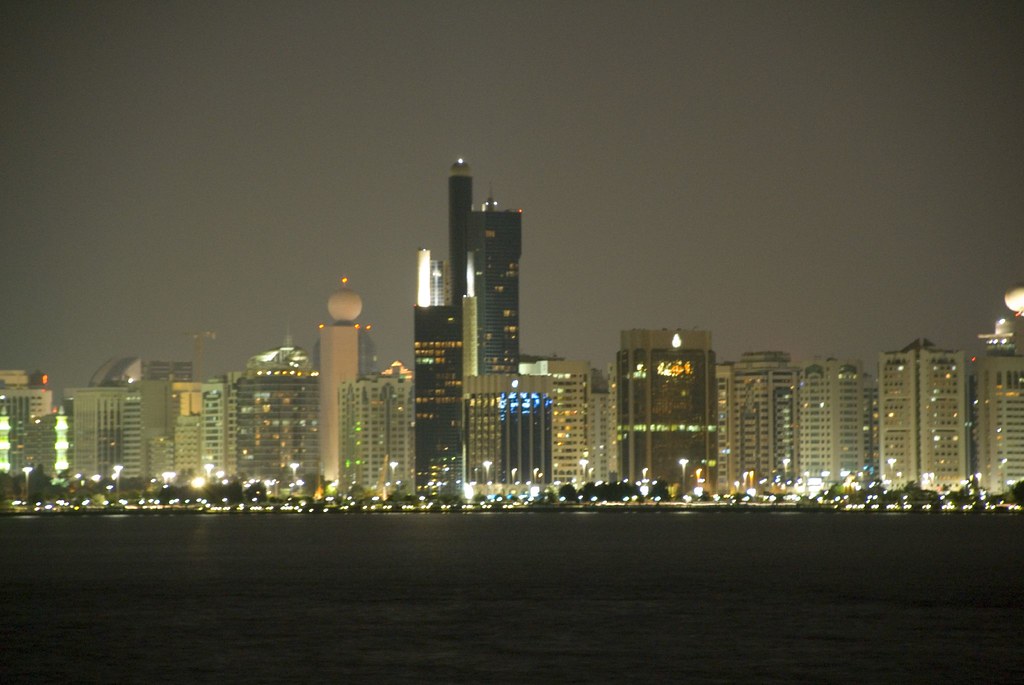
Abu Dhabi has committed AED 3 billion to a package of new roads, bridges and intersection fixes aimed at shortening travel times for daily commuters across the emirate.
The projects arrive as residents continue to report longer waits at major junctions linking the mainland to islands and industrial zones. Officials at the Integrated Transport Centre say the work will cut congestion on routes that serve thousands of vehicles each hour and connect homes in Khalifa City and Mohamed bin Zayed City to jobs on Al Reem and Al Saadiyat islands.
Routes residents use every day
The largest single scheme is a 25-kilometre Mid-island Parkway built through the middle of existing islands. It will carry between 8,000 and 10,000 vehicles an hour in each direction and add direct entrances and exits for Al Sammaliyyah, Umm Yifienah and Al Reem. The first phase will tie Al Saadiyat and Umm Yifienah Street to Sheikh Zayed bin Sultan Street, while the second phase will reach Al Raha Beach and the E10 road.
Separate work on Musaffah Road (E30) will remove several at-grade junctions and add two new bridges between Mohamed bin Zayed City and the industrial area. On Al Khaleej Al Arabi Street (E20), the carriageway between the airport intersection and the Bridges Complex will be widened from three to five lanes, and a new intersection (IC5) will give Khalifa City residents an extra entrance and exit.
Practical changes for drivers
Further improvements at the Abu Dhabi-Al Ain road junction with Mohamed bin Zayed Street will increase capacity for traffic moving south toward the 79th Street and north toward Abu Dhabi University. Adjustments at Mazyad Mall and Capital Mall will add turning movements to reduce queues at those popular destinations.
The Integrated Transport Centre expects the combined upgrades to improve safety, raise road capacity and link new residential and commercial developments without forcing drivers onto already busy main arteries. Construction will proceed in phases, with some sections opening earlier than others as work advances.
Drivers can monitor the ITC website and local traffic apps for lane closures and diversion notices once work begins on each corridor. Residents living near the affected routes should allow extra time for trips until the new lanes and bridges are in service.