Politics
Abu Dhabi Commits 8.5 Billion Dirhams to Infrastructure, Creating Thousands of Jobs
A major council vote on Tuesday commits 8.5 billion dirhams to transit, water and healthcare expansion over five years, expected to create thousands of jobs for local workers.
How we reported this
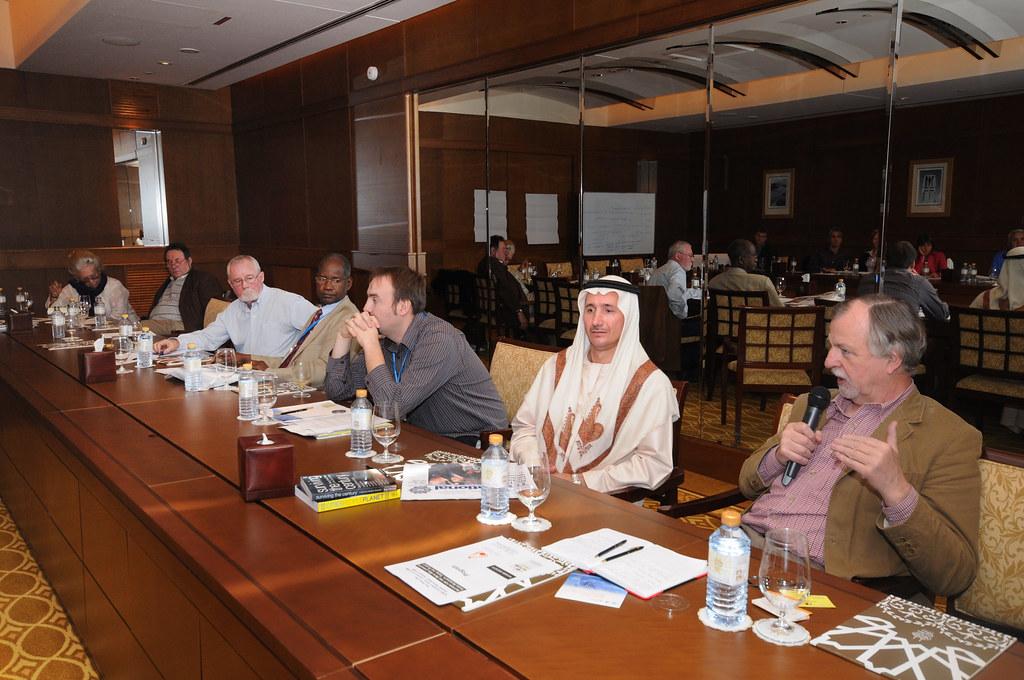
Abu Dhabi's Municipal Council voted 14-2 on Tuesday to approve a multiyear infrastructure and jobs initiative that will direct 8.5 billion dirhams toward transport networks, water treatment facilities and primary healthcare clinics across the emirate through 2031. The council session, held at the administrative headquarters in downtown Abu Dhabi, signals a shift in spending priorities toward services that directly serve residential neighbourhoods outside the city centre, where population growth has outpaced existing infrastructure.
Council members cited rising demand from families relocating to emerging residential zones in Khalifa City, Mohammed Bin Zayed City and Shamkha as a primary driver for the vote. Abu Dhabi's resident population grew to 1.48 million in 2025, according to the Statistics Centre, a 4.2 percent annual increase over the prior year. That growth has stretched existing bus routes, water supply lines and clinic appointment availability in outlying areas. Tuesday's vote addresses what local advocates describe as a three-to-five year service delivery gap in neighbourhoods built during the 2020s real estate expansion.
Jobs and Employment Targets
The council's package dedicates 2.3 billion dirhams to new bus rapid transit corridors linking Khalifa City to downtown Abu Dhabi and connecting Mohammed Bin Zayed City to the international airport. Construction is expected to begin in the fourth quarter of 2026. The government says the project will create approximately 4,800 direct jobs in civil engineering, vehicle manufacturing and operations roles over the five-year period, with recruitment prioritising Emirati nationals and long-term residents holding valid employment permits. The transit authority has signalled that 60 percent of operator and maintenance positions will be open to workers currently employed in related sectors across the emirate.
A separate 1.9 billion dirham water infrastructure component includes two new desalination plants in Shamkha and expansion of the Taweelah reverse osmosis facility, currently operating at 88 percent capacity. The project expects to add 450 megallitres daily production by 2029. The Department of Energy has committed to placing 1,200 permanent positions in plant operations, engineering and laboratory roles, with onboarding beginning in early 2027. Healthcare spending of 890 million dirhams will fund 18 new primary care clinics and three urgent care centres in residential zones, creating an estimated 520 nursing, medical and administrative roles.
What Residents Will Experience
For families living in Khalifa City, the new bus corridors represent a reduction in commute times to employment hubs in downtown Abu Dhabi. Current transit times average 52 minutes during peak hours; the council's transport analysis projects the new network will reduce this to 28 minutes by 2029. Water supply improvements address pressure drops reported by residents in Mohammed Bin Zayed City during summer months, when demand peaks at midday. The new desalination capacity is expected to stabilise water pressure and reduce the need for supplementary tanker deliveries to outlying neighbourhoods.
Healthcare expansion directly affects appointment wait times. Current average primary care clinic booking windows exceed 14 days in Mohammed Bin Zayed City and Khalifa City. The council's projections suggest new clinics will reduce wait times to 3-5 days by 2030. Two council members voted against the package, citing concerns over the timeline for project delivery and requesting quarterly audit reports on spending and job creation milestones. The majority approved the motion with a requirement that the executive committee submit progress reports to the full council every six months beginning in January 2027.
The Municipal Council will vote on contractor procurement in September. Tender documents close 15 August.