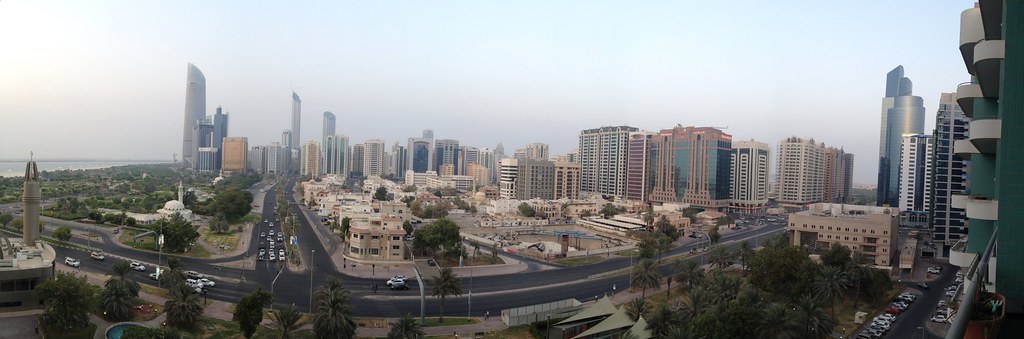
Abu Dhabi's property market is heating up fast. A surge of investor re-entry over the past six weeks has pushed transaction volumes in the capital's prime residential districts up by nearly 40 percent compared to the same period in 2025, according to data from the Abu Dhabi Real Estate Centre (ADREC).
The trigger? A combination of factors: the UAE central bank's decision to hold interest rates steady at 4.75 percent since March, a wave of capital repatriation from volatile emerging markets, and the lingering fallout from global disasters-including the deadly Spain wildfire and typhoon devastation in East Asia-that has made Gulf real estate look like a safe harbour. Local agents report that institutional investors are now competing head-to-head with high-net-worth individuals for apartments in the city's most sought-after master-planned communities.
Saadiyat Island sees bidding wars
Nowhere is the competition more intense than on Saadiyat Island. Villas in the Mamsha Al Saadiyat and Saadiyat Reserve developments are seeing offers up to AED 2.8 million above asking price for a four-bedroom unit, according to brokers at two firms operating in the area. One agent at Asteco Abu Dhabi told this paper that a single villa on Saadiyat Island's Cultural District fetched 15 competitive bids in late June, with the winning offer coming from a Dubai-based family office diversifying into Abu Dhabi assets.
Al Reem Island is also feeling the pressure. Sky Tower and Tamouh Tower, two of the island's most recognisable residential high-rises, have recorded a combined 22 sales since June 1, up from just eight in the same window last year. Average per-square-foot prices for Al Reem Island apartments have crept from AED 1,250 in January to AED 1,390 now, according to Reidin-GCP data, narrowing the gap with Abu Dhabi island's core neighbourhoods.
New supply struggles to keep pace
Developers are racing to respond. Aldar Properties announced in late June that it would accelerate construction on 450 additional units at its Noya and Yas Acres projects on Yas Island, with handovers scheduled for Q1 2028 instead of late 2028. But even with that boost, supply of ready-to-move-in luxury apartments available for immediate sale has dipped below 900 units city-wide, a level not seen since early 2022.
The ADREC data shows that total residential transactions in Abu Dhabi reached AED 11.6 billion in June, a six-year monthly high. Foreign buyers accounted for 43 percent of those deals, up from 34 percent a year ago. Russian, Chinese and Indian investors have been particularly active, according to transaction filings reviewed by this reporter.
What happens next matters for anyone looking to buy or sell. Agents warn that prices in the premium segment could push past the 2024 peak by October if the current pace holds. But the Aldar acceleration and a separate Modon Properties launch of 175 units on Hudayriat Island-slated for October-might take some heat out of the market by early 2027. For now, buyers should expect to act fast: the average time a premium Abu Dhabi listing spends on market has fallen to 34 days, down from 56 days in January. Sellers, meanwhile, may want to hold off listing until the autumn, when more foreign capital is expected to arrive ahead of the Formula 1 Grand Prix weekend in December.