tech
Abu Dhabi Climate Tech Startups: 42 New Registrations in 2026
How Abu Dhabi's sovereign capital and regulatory sandboxes are scaling climate-tech startups faster than global competitors, with 42 new registrations backed by ADIA.
2 min read
tech
How Abu Dhabi's sovereign capital and regulatory sandboxes are scaling climate-tech startups faster than global competitors, with 42 new registrations backed by ADIA.
2 min read
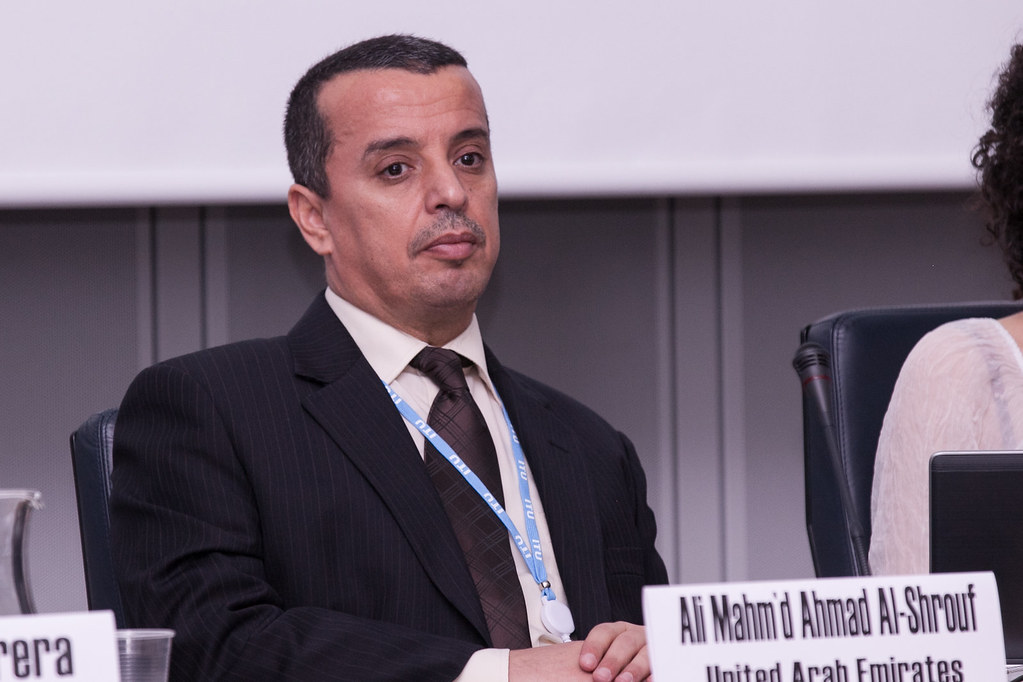
Abu Dhabi logged 42 new climate-technology registrations in the first half of 2026, all backed by direct allocations from the Abu Dhabi Investment Authority.
The timing aligns with Mubadala's revised 2030 decarbonisation roadmap released in March, which requires every portfolio company to cut emissions 25 percent by 2028 or lose follow-on funding. Global investors now treat the emirate as a test bed for scaling carbon-capture software and green-hydrogen logistics before they attempt larger deployments in Singapore or Houston.
Masdar City houses the Mohamed bin Zayed University of Artificial Intelligence, whose 2025 graduating cohort of 180 students produced 31 startups that received seed cheques averaging AED 4.2 million. Two kilometres away on Al Maryah Island, Hub71 operates its climate vertical, where tenants share a dedicated data room linked to ADNOC's real-time emissions dataset.
ADIA committed AED 3.8 billion to climate-tech vehicles between January 2024 and June 2026, according to the fund's latest quarterly filing. Average round size reached AED 62 million, more than double the figure recorded in 2023, while average time from application to first wire transfer sits at 47 days.
Unlike venture firms that chase consumer apps, Abu Dhabi's vehicles require every applicant to demonstrate measurable impact on Scope 1 or Scope 2 emissions within 24 months. The requirement filters out pure software plays and funnels capital toward sensor networks for flare monitoring and AI models that optimise LNG tanker routing.
Companies that meet the threshold receive access to ADNOC's test wells on Zirku Island and discounted cloud credits on the G42 sovereign stack. Three firms that cleared the bar in 2025 now sell their flare-detection models to operators in Qatar and Oman.
Abu Dhabi Global Market's sandbox lets approved firms test carbon-credit trading platforms without full licensing for 18 months. Five entrants cleared the first cohort in April 2026; two have already signed letters of intent with European airlines. The sandbox rules explicitly bar consumer-facing crypto projects, keeping the focus on industrial applications.
Entrepreneurs planning to apply should submit audited emissions baselines and a 24-month decarbonisation plan through the Hub71 portal before 15 August for the September review round. Successful applicants receive a reserved desk in Masdar City and an introduction to one ADIA portfolio company within 30 days.
About this article
Published by The Daily Abu Dhabi
Spread the word
Daily brief
Free, in your inbox before 7am. Weekdays.
The Daily Network