wellness
Burned Out in Abu Dhabi: Your Workplace Wellbeing Rights and Where to Get Help
As summer heat peaks and work pressures mount, UAE employees have more legal protections and mental health resources than many realise.
Listen in English · 5 min
How we reported this
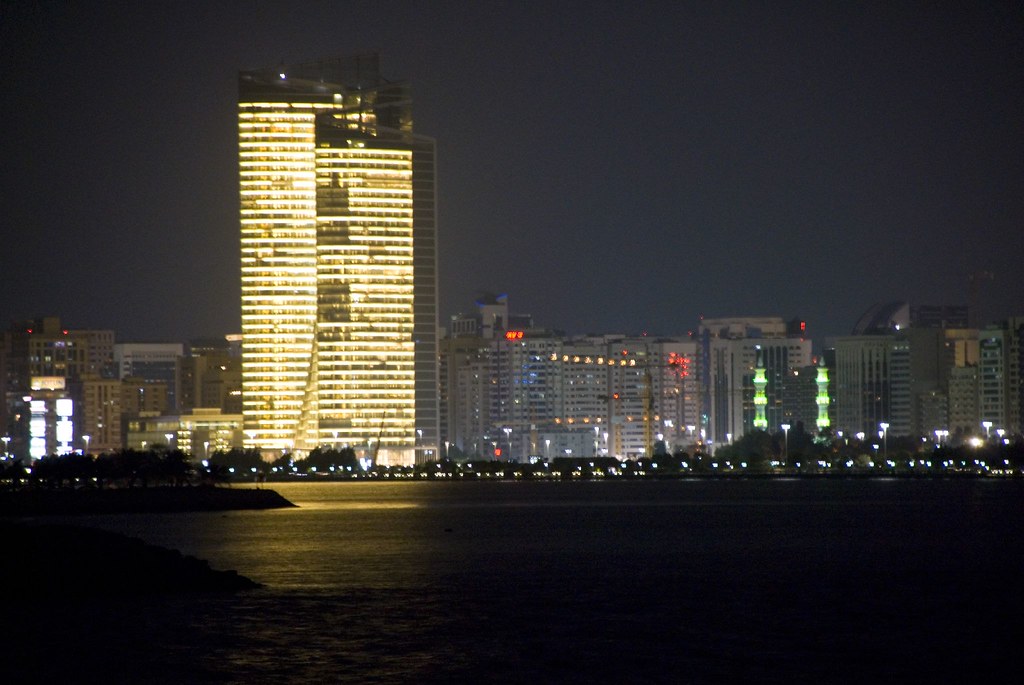
More than half of UAE-based employees reported experiencing high or extreme stress at work in 2025, according to the Gulf Health Council's annual workforce survey, and mental health professionals in Abu Dhabi say the numbers are not improving. The emirate's hybrid economy, long commutes from areas like Mohammed Bin Zayed City and Al Raha Beach, and a workforce spanning over 150 nationalities all create a pressure cooker that many employees quietly endure rather than report.
That silence is the problem. July is, statistically, one of the highest-stress months on the Abu Dhabi work calendar, school holiday disruptions, skeleton staff, and temperatures regularly pushing 47°C that keep people indoors and isolated. The combination of physical confinement and professional overload is a recognised trigger for burnout and anxiety disorders. What has changed, slowly, is the legal and institutional scaffolding around it.
What UAE Law Actually Guarantees You
Federal Decree-Law No. 33 of 2021, the UAE's current Labour Law, includes provisions that directly affect workplace mental health. Employees are entitled to annual leave of at least 30 days after one year of service, rest breaks of no less than one hour during shifts longer than five hours, and protection from workplace harassment, a category that UAE courts have increasingly interpreted to include psychological intimidation. Employers with more than 50 staff are required to have formal grievance procedures in place.
The Abu Dhabi Department of Health launched its Mental Health Strategy 2030 with a dedicated workplace wellbeing pillar that targets private-sector employers with incentives to introduce Employee Assistance Programmes, known as EAPs. As of January 2026, the department reported that 34 percent of licensed private hospitals in Abu Dhabi had formalised EAP partnerships with corporates in the emirate, up from 22 percent in 2023. That still leaves a significant majority of workplaces without structured support.
Where to Turn on the Island and Beyond
Residents and workers have several concrete options. Lighthouse Arabia, with a clinic on Al Maryah Island, runs a corporate wellbeing programme that includes group stress management workshops and individual therapy sessions; initial consultations start at AED 450. The Cleveland Clinic Abu Dhabi on Al Maryah Island has a dedicated Neurological Institute that handles stress-related disorders, with psychiatry referrals available through their general practice network.
For those wanting free or subsidised support, the Abu Dhabi Mental Health Helpline, operated under the Behavioural Rewards Programme of the Department of Community Development, is available 24 hours a day at 800-HOPE (4673) in both Arabic and English. The service connects callers with licensed counsellors and, if necessary, facilitates referrals to Psychiatric Hospital Abu Dhabi on Airport Road, which remains the emirate's primary public facility for acute mental health care.
Several community-based options also exist. The Human Relations Institute & Clinics in Khalidiyah runs regular group sessions on occupational stress and burnout, with programmes designed specifically for expat professionals navigating contract uncertainty and visa dependency. The latter issue, the reality that many UAE workers' residency is tied directly to their employment, is a documented stressor that therapists in the city describe as uniquely intense compared to labour markets where residency and employment are legally separate.
Practically speaking, workers who believe their employer is failing to address a mental health concern have a clear first step: file a formal complaint with the Abu Dhabi Centre for Occupational Safety and Health, known as OSHAD. The centre investigates psychosocial hazards under its System Framework Document SF-13, which covers stress and workload as legitimate occupational risks. Complaints can be submitted online through the TAMM platform, Abu Dhabi's digital government portal.
Building daily habits matters too. The Abu Dhabi Sports Council's free outdoor fitness tracks along the Corniche remain open year-round, though early morning sessions before 7am are the practical window during July. Exercise is not a replacement for clinical care, but the evidence base for its role in stress regulation is among the most consistent in psychiatric literature, and in a city with world-class infrastructure, the access barrier is genuinely low.
Anyone unsure where to start should contact a local GP or call 800-HOPE before self-diagnosing. The resources exist. Using them is the harder, more important step.