The gut health conversation has moved well beyond influencer culture. Gastroenterologists across the Gulf are increasingly fielding questions about the microbiome, and for good reason: a 2024 review published in Nature Reviews Gastroenterology & Hepatology found that adults in urban, high-income environments — the demographic profile that fits much of Abu Dhabi's population — tend to have significantly lower microbiome diversity than those in rural or traditionally diet-heavy communities. The fix, researchers argue, is simpler and cheaper than most people expect.
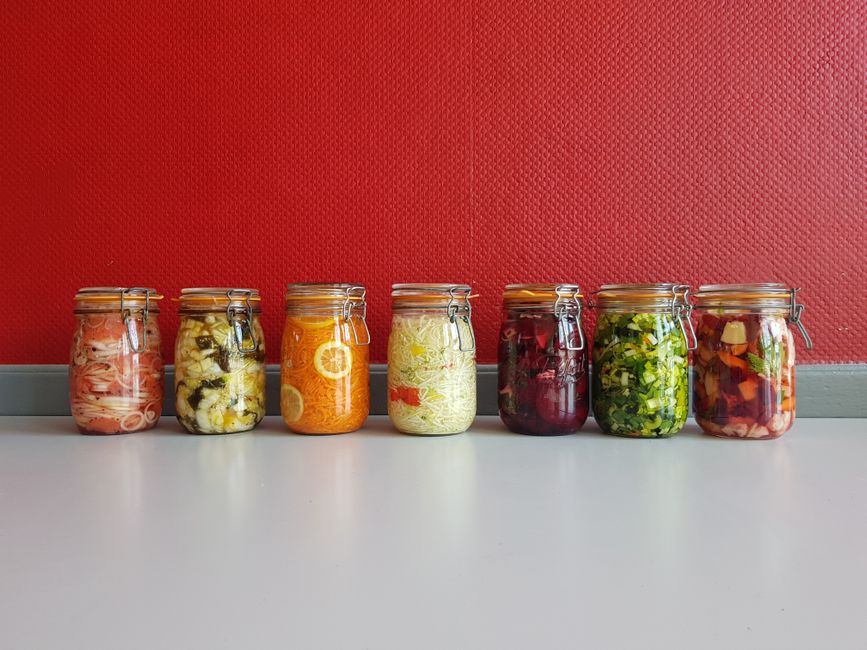
Fermented foods — those preserved through the action of live bacteria or yeast — deliver colonies of beneficial microorganisms directly to the digestive tract. They don't require a prescription, a wellness retreat, or an expensive supplement. Many of them have been sitting in regional kitchens for centuries. The challenge for residents navigating Abu Dhabi's supermarket aisles is knowing which products are genuinely probiotic-rich and which are pasteurised imitations that have had the live cultures cooked out of them.
What to Look For — and Where to Find It
Start with what's already familiar. Laban — the thin, tangy buttermilk drunk widely across the UAE and the broader Arab world — is a live-culture product when unpasteurised or minimally processed. Al Ain Dairy's fresh laban, widely stocked at Carrefour branches including the flagship store on Yas Island, retains active cultures and costs around AED 3.50 for a 500ml carton. It is not the same product as the longer-shelf-life versions that have been heat-treated. Check the label for "live cultures" or "ثقافات حية" in Arabic.
Labneh — strained yoghurt common across Levantine cuisine and sold at virtually every supermarket in Abu Dhabi — is another accessible entry point, provided it hasn't been heavily stabilised with additives. The organic labneh sold at Ripe Market, which runs weekend sessions at Umm Al Emarat Park in Mushrif, is produced by small regional suppliers who retain live bacterial strains. Vendors there can typically confirm fermentation methods on request.
For residents seeking more varied options, Organic Foods & Café on Al Wahda Street in central Abu Dhabi carries a rotating selection that includes water kefir, raw apple cider vinegar with the mother culture intact, and imported kimchi from a South Korean producer certified for live culture content. A 500g jar of the kimchi retails for approximately AED 32. The store also stocks local date vinegar — a traditional product that, when unfiltered, contains acetic acid bacteria beneficial to gut lining health.
Miso deserves mention too. Long associated with Japanese cuisine, it's found at the Japanese section of Waitrose on Al Maryah Island. A 200g tub of unpasteurised white miso runs around AED 28. Stir it into warm — not boiling — water to preserve the live cultures; temperatures above 70°C kill the bacteria that make the product worth eating.
The Evidence Behind the Trend
The science supporting fermented food consumption has grown substantially since Stanford University's landmark 2021 clinical trial, published in Cell, which found that a diet high in fermented foods increased microbiome diversity and reduced 19 inflammatory proteins over a 10-week period. Participants eating an average of 6.3 servings of fermented food daily saw the most pronounced effects. That number sounds ambitious, but it includes small servings — a glass of laban at breakfast, a spoonful of labneh at lunch, a tablespoon of miso in an evening soup.
Dietitians at Cleveland Clinic Abu Dhabi, based on Al Maryah Island, have incorporated gut microbiome assessments into their nutrition consultations since 2023. The clinic does not publicly promote fermented foods as a clinical treatment, but its nutrition team has published general guidance on the hospital's wellness portal recommending whole-food fermented sources over probiotic supplements, which vary widely in quality and survivability.
The practical advice is unglamorous but grounded. Buy fresh, read labels carefully, and introduce fermented foods gradually — a sudden large intake can cause temporary bloating in people whose microbiomes are not accustomed to the bacterial load. Start with one serving daily for two weeks. Anyone with an existing gastrointestinal condition should speak with a gastroenterologist before making significant dietary changes. Cleveland Clinic Abu Dhabi's nutrition department can be reached directly through the hospital's online booking portal at clevelandclinicabudhabi.ae.